
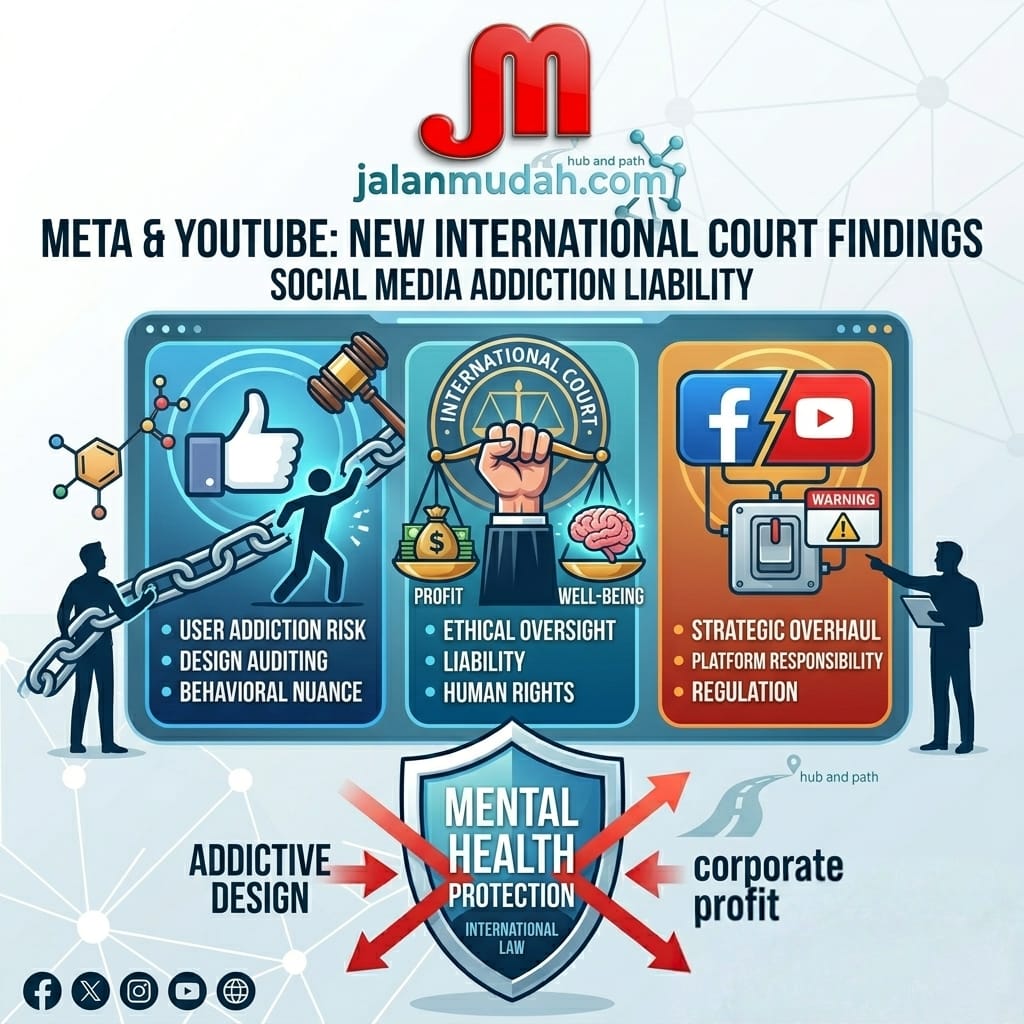
The growing influence of social media has transformed communication, entertainment, and information sharing. However, recent discussions around Meta and YouTube under fire have sparked global attention following new international court findings related to social media addiction. These developments highlight concerns about digital well-being, platform responsibility, and the long-term impact of online engagement.
As billions of users interact with social media platforms daily, policymakers and researchers are examining how these services shape behavior and influence mental health. The latest findings signal a broader shift toward accountability and healthier digital environments.
Rising Concerns About Social Media Usage
Over the past decade, social media platforms have evolved into powerful ecosystems that shape public discourse and lifestyle trends. While these platforms offer benefits such as connectivity and access to information, excessive use has raised questions about balance and well-being.
Experts emphasize that prolonged screen time and algorithm-driven content recommendations can encourage continuous engagement. This pattern may contribute to habit-forming behavior, particularly among younger users.
Common Concerns Highlighted
- Increased screen time among global users
- Algorithm-driven content loops
- Reduced offline social interaction
- Impact on focus and productivity
These concerns have led to growing discussions among policymakers, educators, and technology companies about responsible platform design.
International Court Findings and Their Implications
The recent international court findings have focused on the role of social media platforms in promoting healthy digital habits. While not targeting individuals, the discussions encourage platforms to implement features that support balanced usage.
Key areas addressed include:
- Transparency in recommendation systems
- User control over screen time management
- Clearer privacy and data usage policies
- Enhanced parental guidance tools
These recommendations aim to improve user experience while maintaining the benefits of social media connectivity.
Platform Responses and Industry Adaptation
In response to increased scrutiny, technology companies are exploring ways to promote responsible usage. Features such as screen time reminders, activity dashboards, and content filtering tools are becoming more common. These additions allow users to better manage their online habits.
Examples of Responsible Features
- Daily usage notifications
- Customizable content preferences
- Quiet mode or focus settings
- Parental supervision tools
These initiatives demonstrate how platforms are adapting to evolving expectations. By encouraging balanced use, companies aim to create healthier digital ecosystems.
The Role of Digital Well-Being
Digital well-being has become a key topic in global discussions. Individuals are increasingly seeking ways to maintain a healthy relationship with technology. Educational campaigns and awareness initiatives encourage users to adopt mindful online habits.
Practical strategies for improving digital balance include:
- Setting daily screen time limits
- Taking regular breaks from devices
- Prioritizing offline activities
- Curating content for positive engagement
These simple steps help users enjoy the benefits of social media without excessive reliance.
Impact on Businesses and Content Creators
The focus on responsible social media usage also affects businesses and content creators. Companies are encouraged to prioritize meaningful engagement over excessive content consumption. This shift promotes quality interactions and long-term audience trust.
Content creators may benefit from:
- Building informative and valuable content
- Encouraging balanced engagement
- Promoting positive digital habits
- Focusing on audience well-being
This approach supports sustainable growth while aligning with evolving platform guidelines.
What This Means for the Future of Social Media
The discussion around Meta and YouTube under fire reflects a broader transformation in the digital landscape. Social media platforms are moving toward transparency, user empowerment, and healthier engagement practices. These changes aim to balance innovation with responsibility.
As technology continues to evolve, collaboration between policymakers, platforms, and users will be essential. Together, these stakeholders can shape a digital environment that supports both connectivity and well-being.
Conclusion
Meta and YouTube under fire following new international court findings on social media addiction highlights the growing importance of responsible digital practices. While social media remains a powerful tool for communication and entertainment, balanced usage is becoming a priority worldwide.
By introducing user-focused features and promoting digital well-being, platforms can create healthier online experiences. Ultimately, these developments represent a positive step toward a more mindful and sustainable digital future.