
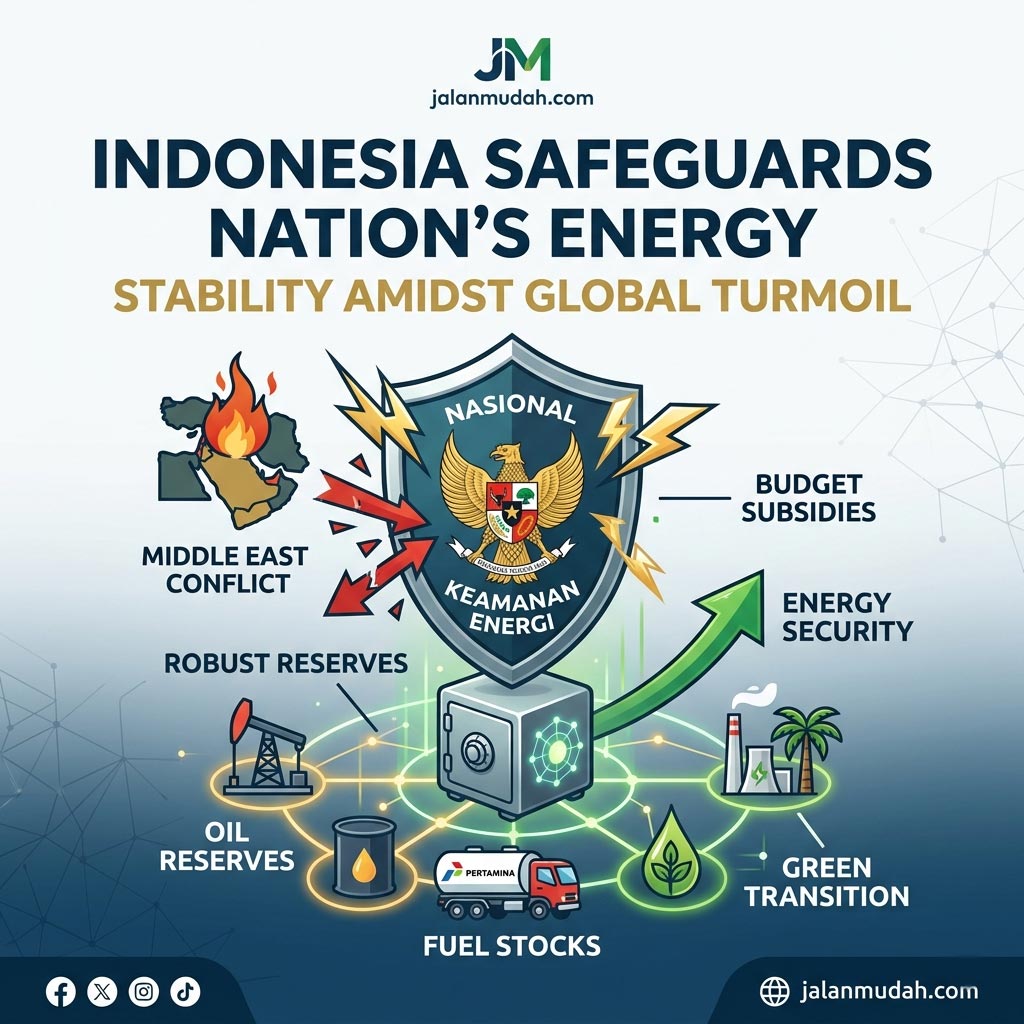
In today’s interconnected world, energy stability has become a critical priority for many countries. Safeguarding the nation: how Indonesia ensures energy security amidst global tensions is an increasingly relevant topic as governments adapt to economic shifts, geopolitical developments, and environmental challenges. Indonesia, as one of Southeast Asia’s largest economies, is actively strengthening its energy resilience to support long-term growth and stability.
Through strategic policies, infrastructure investment, and diversification of resources, Indonesia is building a sustainable energy framework that can withstand global uncertainties.
The Importance of Energy Security in a Changing World
Energy security refers to a nation’s ability to ensure reliable, affordable, and sustainable access to energy resources. As global demand increases and markets fluctuate, countries must reduce dependence on limited sources and develop balanced energy strategies.
For Indonesia, energy security plays a key role in:
- Supporting economic growth
- Maintaining industrial productivity
- Ensuring household energy access
- Encouraging investment confidence
These factors highlight why Indonesia continues to prioritize energy planning in its national development agenda.
Diversifying Energy Sources
One of Indonesia’s main strategies is diversifying its energy mix. By reducing reliance on a single resource, the country can better manage supply disruptions and price volatility. Indonesia is investing in a combination of conventional and renewable energy sources.
Key Energy Sources Being Developed
- Natural gas and domestic fuel reserves
- Hydropower and geothermal energy
- Solar and wind power projects
- Bioenergy and sustainable fuel initiatives
This diversified approach helps ensure long-term energy availability while supporting environmental goals.
Expanding Renewable Energy Development
Renewable energy is becoming a central focus in Indonesia’s energy strategy. The country has significant potential in geothermal and solar resources, making clean energy development a practical solution. Expanding renewable energy also helps reduce dependence on imported fuels.
Benefits of renewable energy expansion include:
- Lower carbon emissions
- Increased energy independence
- Long-term cost stability
- Sustainable economic development
These advantages align with global efforts toward cleaner and more resilient energy systems.
Strengthening Infrastructure and Distribution
Energy security also depends on reliable infrastructure. Indonesia continues to invest in power plants, transmission networks, and fuel storage facilities. Improving infrastructure ensures that energy can be distributed efficiently across regions, including remote areas.
Infrastructure Priorities
- Expanding electricity grids to underserved communities
- Modernizing power generation facilities
- Enhancing fuel storage capacity
- Improving logistics and transportation systems
These improvements help maintain consistent energy supply nationwide.
Encouraging Investment and Innovation
Indonesia is also encouraging private sector participation in energy projects. Investment incentives and partnerships support innovation and accelerate development. Technology plays an important role in improving efficiency and optimizing energy use.
Examples of innovation include:
- Smart grid technology for efficient distribution
- Energy efficiency programs for industries
- Digital monitoring of power consumption
- Research into alternative fuels
These advancements strengthen Indonesia’s energy resilience while supporting economic growth.
Regional Cooperation and Strategic Planning
Collaboration with regional partners is another key element in ensuring energy security. Indonesia participates in international initiatives to share knowledge, improve technology access, and strengthen supply networks. Such cooperation enhances stability in the broader Southeast Asian region.
Strategic planning also involves long-term forecasting. By analyzing demand trends and population growth, policymakers can prepare for future energy needs. This proactive approach reduces risks associated with global tensions.
Supporting Sustainable Economic Growth
Energy security is closely linked to economic development. Reliable energy supply allows industries to operate efficiently and encourages investment. It also supports digital transformation and infrastructure development.
Key economic benefits include:
- Stable industrial production
- Improved business confidence
- Growth in renewable energy sectors
- Job creation in energy-related industries
These outcomes contribute to national resilience and long-term prosperity.
Conclusion
Safeguarding the nation: how Indonesia ensures energy security amidst global tensions reflects the country’s commitment to stability and sustainability. Through diversification, renewable energy development, infrastructure expansion, and strategic cooperation, Indonesia is building a resilient energy system.
As global challenges continue to evolve, maintaining reliable energy access remains essential. Indonesia’s proactive approach demonstrates how balanced planning and innovation can support both economic growth and environmental responsibility. By strengthening energy security, the nation is preparing for a stable and sustainable future.