
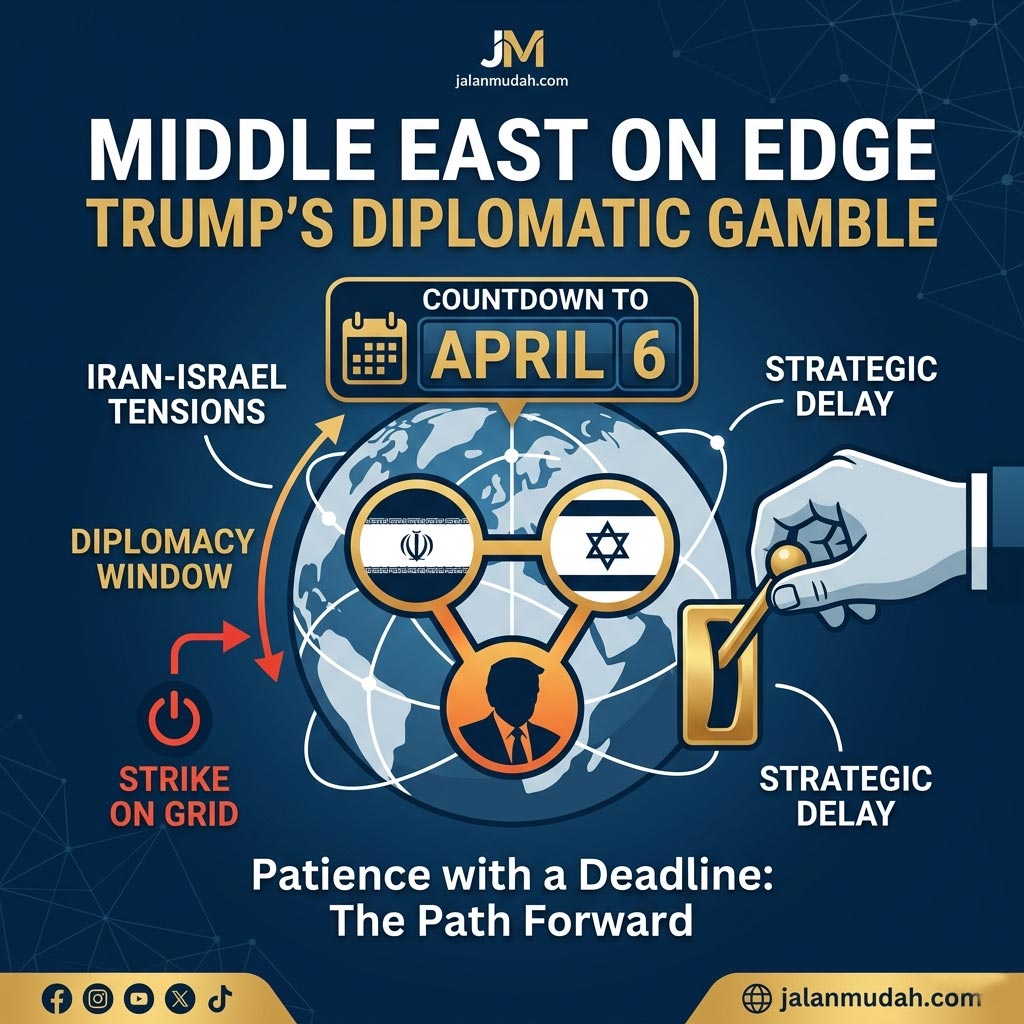
The Middle East has once again become a focal point of global attention. Middle East on Edge: Trump’s Diplomatic Gamble Amidst Iran-Israel Tensions reflects growing interest in how diplomatic strategies may influence regional stability. As geopolitical developments unfold, international observers are closely watching how leadership decisions, negotiations, and alliances could shape the future of the region.
In recent years, diplomacy has played a critical role in managing tensions. While uncertainty remains, diplomatic engagement continues to be viewed as a key tool in preventing escalation and encouraging constructive dialogue.
Understanding the Regional Context
The Middle East is strategically important due to its energy resources, trade routes, and political influence. Developments in this region often affect global markets, international relations, and economic stability. As a result, diplomatic initiatives attract widespread attention.
Several factors contribute to ongoing tensions:
- Strategic competition among regional powers
- Security concerns and defense policies
- Economic interests tied to energy markets
- International alliances and partnerships
These dynamics create a complex environment where diplomatic efforts must balance multiple interests.
The Role of Diplomacy in Managing Tensions
Diplomatic engagement aims to reduce uncertainty and encourage cooperation. Through dialogue, countries can address concerns, clarify positions, and explore opportunities for stability. Diplomatic strategies often involve negotiations, multilateral discussions, and confidence-building measures.
Key Objectives of Diplomatic Engagement
- Encouraging peaceful communication
- Reducing risks of misunderstanding
- Promoting regional cooperation
- Supporting economic stability
These objectives highlight why diplomacy remains central to addressing sensitive geopolitical situations.
Economic Implications for Global Markets
Regional tensions in the Middle East often influence global economic conditions. Energy markets, in particular, respond quickly to uncertainty. Investors monitor developments closely, as changes in supply expectations can affect pricing and trade.
Potential economic impacts include:
- Fluctuations in energy prices
- Market volatility
- Shifts in investment strategies
- Changes in international trade patterns
These outcomes emphasize the importance of stable diplomatic relations for maintaining economic confidence.
International Community and Cooperation
Global organizations and regional partners frequently support diplomatic initiatives. Cooperation among nations helps encourage balanced solutions and reduces the risk of escalation. Collaborative efforts often include mediation, dialogue forums, and economic partnerships.
Areas of International Cooperation
- Diplomatic mediation initiatives
- Economic collaboration programs
- Security dialogue frameworks
- Humanitarian coordination
Such cooperation reinforces the role of diplomacy in promoting long-term stability.
The Importance of Strategic Communication
Clear communication is essential during periods of heightened tension. Diplomatic messaging helps manage expectations and maintain transparency. Constructive communication also reduces speculation and builds trust among stakeholders.
Effective communication strategies include:
- Regular diplomatic consultations
- Public statements emphasizing stability
- Engagement with international partners
- Confidence-building initiatives
These approaches help create an environment conducive to peaceful resolution.
Long-Term Outlook for Regional Stability
The future of the Middle East will likely depend on continued diplomatic engagement and strategic planning. Policymakers often emphasize dialogue, economic cooperation, and shared interests as pathways toward stability. While challenges remain, diplomatic efforts can create opportunities for progress.
Key factors shaping the outlook include:
- Continued diplomatic dialogue
- Economic collaboration opportunities
- Infrastructure and development initiatives
- Regional partnership frameworks
These elements contribute to a more balanced and constructive environment.
Conclusion
Middle East on Edge: Trump’s Diplomatic Gamble Amidst Iran-Israel Tensions highlights the importance of diplomacy in managing complex geopolitical relationships. Through dialogue, cooperation, and strategic communication, stakeholders aim to reduce uncertainty and support regional stability.
As global attention remains focused on developments, diplomatic efforts continue to play a vital role in shaping outcomes. By prioritizing communication and collaboration, the international community can work toward maintaining balance and encouraging constructive engagement in the region.